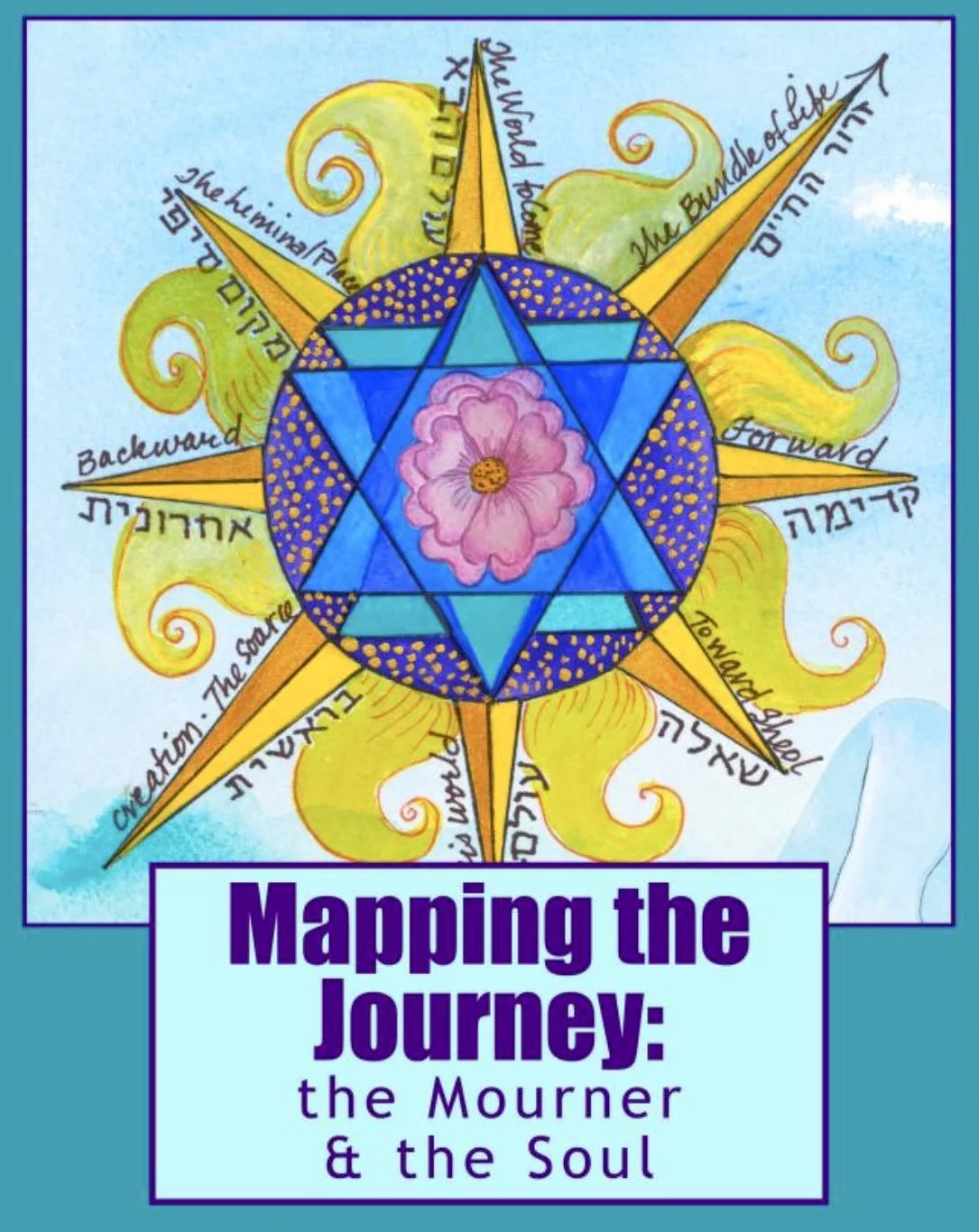
Mapping the Journey: the Mourner & the Soul
Along with this blessing of life, we must endure the loss of death. As we age, our denial of the limit of our own lives thins. This most challenging reality of life can be overwhelming and bewildering. We could use a map. I have created just such a map that helps in understanding that grief is a process that has a direction, and our Jewish traditions are our navigational guides.
The book is light on words, and heavy on images. It describes the grief process through the first year in Jewish time as geographical way stations. The map shows not only the experiences of the mourner, but also the whereabouts of the soul. It is meant to comfort the mourner and to illustrate the wisdom of our tradition.
“The book by Rabbi Me’irah Iliinsky is a treasure, both visually & verbally. Its images & words evoke and invite in a way that is both simple and deep - a powerful combination.”
“Writing as a congregational rabbi, I would say this is a very unique and helpful book in that it gives a beautifully illustrated overview of the Jewish journey of mourning. It also contains a good deal of concise spiritual insight. Really, it’s a book that anyone interested in the Jewish journey of mourning should own; there’s nothing else remotely like it that I know of.”
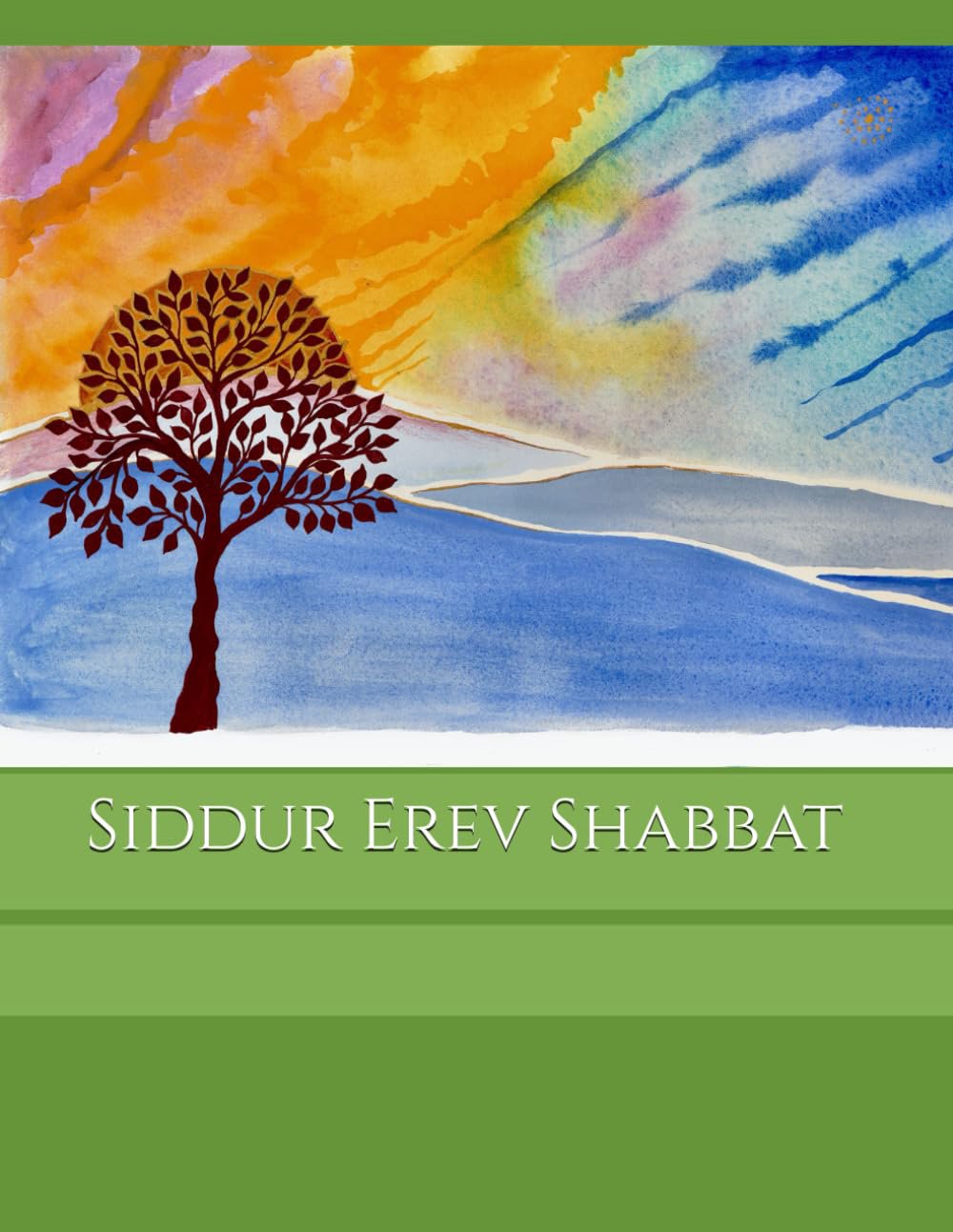
This Friday-evening siddur was born of a wish: that the prayer book in our hands feel as welcoming as the Shabbat we were gathering to greet. It began with the residents of Rhoda Goldman Plaza Assisted Living Center in San Francisco, and one congregant in particular — Blossom Levin, z"l — who used to say to me, "When are we going to do something about the prayer book?" Together with Blossom, Dorothy Auerbach, and Judith Rosenthal, we formed a small siddur committee and got to work.
Years of discussion and design later, here it is. The print is large and clearly defined. Each prayer's title sits at the top of its page. Hebrew, English, and transliteration appear in consistent places, with the transliteration broken into manageable syllables. Communal refrains are highlighted. The book is light in the hand and opens fully in a dignified format. Colorful illustrations, commissioned years earlier for the Central Conference of American Rabbis and used here by permission, accompany each prayer as a visual association — a doorway into the prayer's theme.
Our hope is that this siddur adds joy and ease to your Shabbat evening, and spiritual nourishment to all who use it.
“My family is not religious but as my parents grow older I find that it feels amazing to practice comforting rituals. Shabbat is one of the easiest things to do with them. This book is a wonderful gift. The text is huge. The concepts are simple, and when my father loses focus on the text he loves looking at the pictures that Rabbi Me’irah beautifully created. I received this book as a gift and I LOVE IT. It has everything you need to have a small simple service before the Shabbat evening meal.”
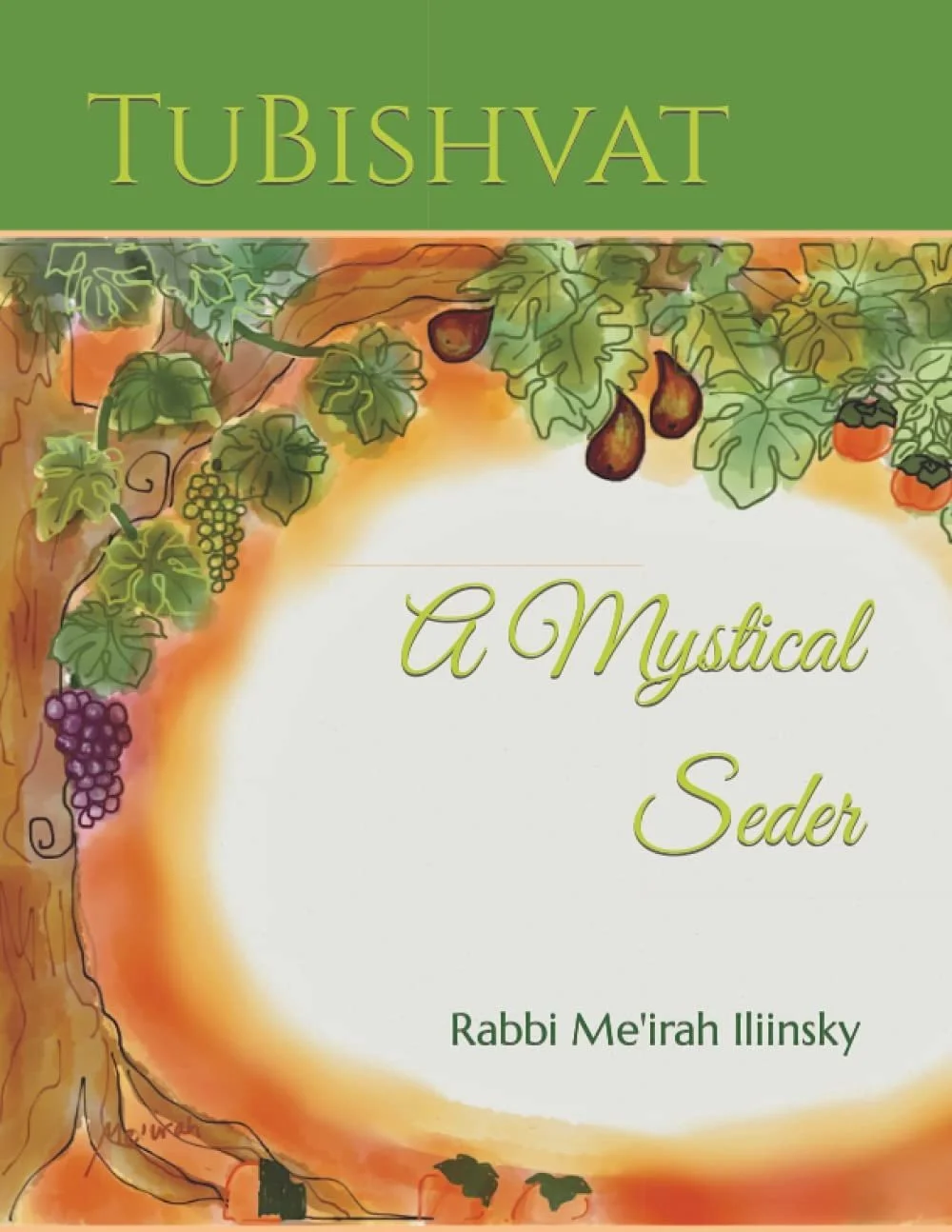
Tu BiShvat is perhaps the most reconstructed of all Jewish holy days. It begins in the Torah and Mishnah, where its job was practical: a date for reckoning the age of fruit trees so first fruits could be tithed. In the 16th century, the Kabbalists of Isaac Luria built around that date a mystical seder of stunning complexity. In the 19th century, the Zionist movement embraced it for "making the desert bloom." In the 20th, it became the ecological Jewish Earth Day.
Because the holiday has no halachic prescriptions, and because its subject is trees rather than an historic event, its metaphors are vast: ecology, the four seasons, the Sephirot, the seven fruits of Israel. The challenge in making a Tu BiShvat seder is one of focus.
This seder takes as its focus the kabbalistic teaching that the power of intention can both increase blessing and magnify destruction in our world — coupled with the importance of self-awareness, and the very Jewish notion of free will. Celebrants are guided through the Four Worlds, tasting a fruit from each and meeting its meaning along the way. My hope is that it deepens your awe of our role as spiritual, thinking, feeling, acting human beings in this world.
“We just had eleven for a Tu BiShvat Seder and everyone really enjoyed using this book. The illustrations are stunning, and the text is accessible and inspired good discussion at the table. The carefully selected Hebrew texts really enhanced the experience for me… We did enjoy the very accessible transliterations and translations. Definitely worth getting lots of copies.”
“What a beautiful, concise and meaningful Tu B’shevat seder guide! As a rabbi, I’ve used various Tu B’shevat resources and led seders; this book is a great addition, and is now my new favorite. Rabbi Me’irah has developed a relatively simple (and short) ritual, based on the depth of kabbalistic teachings and contemporary insights. I particularly love the extraordinary illustrations!”